Spend Like a Connoisseur: The Counterintuitive Budget Priorities of Elite Travelers
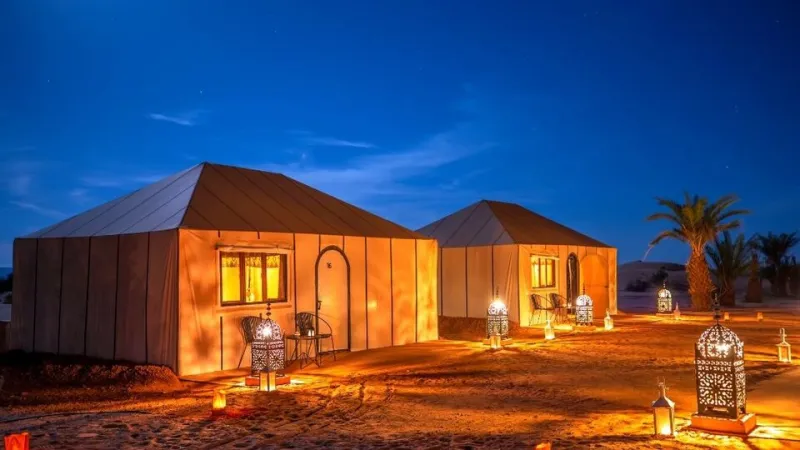
Photo: 24camels Morocco Luxury Tours, CC BY-SA 4.0, via Wikimedia Commons
There is a persistent myth about the way wealthy travelers spend money. The popular imagination pictures them upgrading everything, defaulting to the most expensive option in every category, and treating price tags as mere inconveniences. The reality, as any seasoned luxury travel advisor will confirm, is far more nuanced—and considerably more instructive.
After speaking with a range of elite travel consultants, hotel concierges, and frequent luxury travelers, a coherent philosophy begins to emerge. It is not one of indiscriminate extravagance. It is, in fact, a philosophy of strategic restraint punctuated by deliberate, unapologetic splurging in precisely the right places.
The Flight Paradox
Perhaps the most counterintuitive finding is this: a meaningful segment of high-net-worth travelers does not automatically book private aviation. While the private jet charter market has grown substantially in recent years, many affluent Americans who can afford fractional ownership or charter flights still choose to fly commercial—provided they are in a premium cabin.
The calculus, as one New York-based luxury travel advisor explains, is one of value density. "My clients who fly business class on a carrier like Singapore Airlines or Lufthansa First are often making a conscious choice," she notes. "They receive an exceptional product, they accumulate meaningful loyalty currency, and they avoid the logistical complexity of positioning a private aircraft."
Where private aviation does dominate is in remote access—reaching a private island in the Maldives, a remote lodge in Patagonia, or a highland retreat in Scotland where commercial connections would consume an entire travel day. In those instances, the calculus shifts entirely, and cost becomes secondary to time.
Accommodations: The One Non-Negotiable
If there is a single category where elite travelers refuse to compromise, it is the accommodation itself. This is the anchor of the entire journey—the place to which they return each evening, the environment that shapes their perception of a destination, and the experience that lingers longest in memory.
"I have never had a client tell me they wished they had stayed somewhere less remarkable," says a concierge with two decades of experience placing guests in ultra-luxury properties across Europe and Southeast Asia. "But I have had clients tell me they wished they had spent less on a Michelin-starred dinner they barely remember."
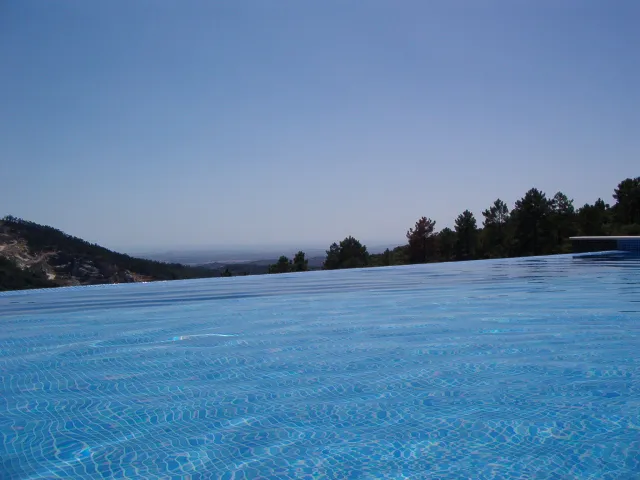
The preference here tends toward properties with genuine character: a restored palazzo in Venice, a family-run riad in Marrakech, a cliffside villa in Santorini with a private infinity pool. Brand-name luxury hotel chains hold appeal for their consistency and service standards, but an increasing number of discerning travelers are gravitating toward singular, independent properties that cannot be replicated elsewhere.
Dining: Where Compromise Is Acceptable
Contrary to expectations, dining is one category where strategic luxury travelers are willing to exercise restraint—at least selectively. The pursuit of a three-Michelin-starred tasting menu every evening of a two-week journey strikes many experienced travelers as both exhausting and financially imprudent.
The more common approach is to identify two or three genuinely unmissable culinary experiences within a trip and to pursue those with full commitment—reservations secured months in advance, pairing menus selected with care, dress codes observed. On the remaining evenings, they eat where locals eat: the family-run trattoria, the neighborhood ramen counter, the roadside taco stand that has operated in the same location for forty years.
This approach, it turns out, often produces the most memorable meals of the entire journey.
Experiences: The True Currency of Luxury Travel
If accommodations represent the non-negotiable foundation, curated experiences represent the true object of investment for today's most sophisticated travelers. This is where the most dramatic shifts in spending philosophy have occurred over the past decade.
Material acquisitions—the designer purchases, the collector's item souvenirs—have given way to access. Access to a private after-hours tour of the Uffizi Gallery in Florence. Access to a master class with a celebrated winemaker in Burgundy. Access to a conservation expedition in Kenya alongside researchers who rarely receive civilian guests.
"The shift from buying things to buying moments has been profound," observes one travel advisor who specializes in designing bespoke itineraries for clients with annual travel budgets exceeding $200,000. "My clients want to come home changed by what they experienced, not just laden with beautiful objects."
The Overlooked Category: Pre-Trip Investment
One area that consistently separates genuinely elevated travel from merely expensive travel is the investment made before departure. This encompasses the time and resources allocated to research, planning, and relationship-building with local experts.
Elite travelers increasingly recognize that the quality of their on-the-ground experience is directly proportional to the quality of the preparation that preceded it. A well-briefed private guide in Kyoto, a trusted sommelier at a Napa Valley estate who has been expecting your call, a hotel general manager who knows your preferences before you arrive—these are not accidental outcomes. They are the products of deliberate investment in the planning process itself.
The most discerning travelers, in this sense, are not simply buying experiences. They are building relationships with the people and places that make those experiences possible.
A Philosophy Worth Borrowing
The spending philosophy of elite travelers, stripped of its price points, is one that any thoughtful traveler can apply. Identify the categories that matter most to you—that will most meaningfully shape your experience—and allocate accordingly. Release the pressure to optimize every line item. Embrace the local meal, the scenic detour, the unplanned afternoon.
Luxury, at its most refined, is not the absence of restraint. It is the wisdom to know exactly where restraint serves you and exactly where it does not.